What's the difference between marine speakers and regular speakers?
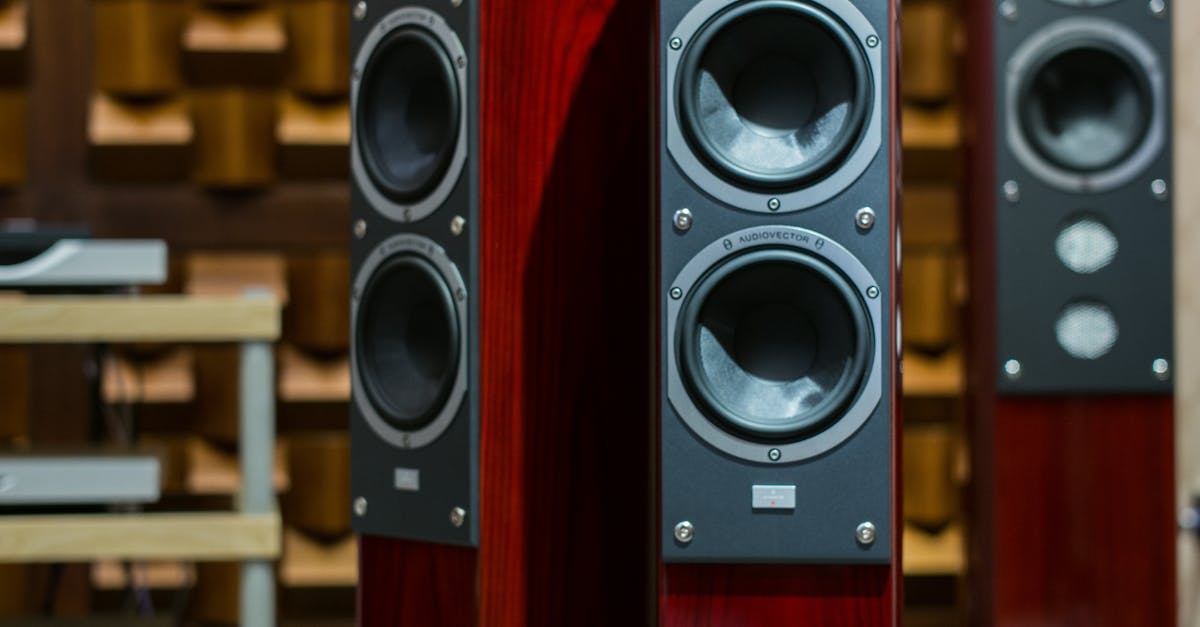
Compatibility with Environments for Marine Speakers and Regular Speakers
Regular speakers are typically designed for indoor use, making them more susceptible to damage when exposed to outdoor elements. In contrast, marine speakers are specifically built to withstand harsh marine environments, such as saltwater, humidity, and UV exposure. This specialized construction ensures that marine speakers can deliver reliable performance even in challenging conditions, making them the ideal choice for boats, yachts, and other marine settings.
The materials used in marine speakers are selected for their ability to resist corrosion and degradation, unlike regular speakers which may deteriorate quickly when exposed to moisture and salt. Additionally, the components of marine speakers are often treated with protective coatings or encapsulated to shield them from water intrusion, extending their lifespan and ensuring consistent sound quality over time. This durability and weather resistance are key factors that differentiate marine speakers from their regular counterparts, emphasizing the importance of choosing the right speakers for specific environments.
Weatherproofing Technologies in Marine Speakers
Marine speakers are specifically designed to withstand harsh outdoor elements, making them ideal for use in boats, yachts, and other marine environments. One key feature that sets marine speakers apart from regular speakers is their advanced weatherproofing technologies. These technologies include UV-resistant materials, corrosion-resistant coatings, and waterproof design elements that help protect the speakers from moisture, salt, and sun exposure. As a result, marine speakers are able to deliver high-quality sound performance even in challenging conditions, ensuring a long lifespan and reliable operation for marine enthusiasts.
In addition to their weatherproofing technologies, marine speakers also often come with specialized features such as sealed components, rust-resistant grills, and waterproof cones. These features contribute to the overall durability and longevity of marine speakers, making them well-suited for marine applications where exposure to water and humidity is a common occurrence. By investing in marine speakers with advanced weatherproofing technologies, boaters can enjoy crystal-clear sound quality while cruising on the water without having to worry about potential damage from the elements.
Cost Differences between Marine Speakers and Regular Speakers
When it comes to comparing marine speakers to regular speakers, one of the key factors that often stands out is the cost disparity between the two types of speakers. Marine speakers are specifically designed to withstand harsh environmental conditions such as moisture, salt, and UV exposure, which usually leads to a higher price tag compared to regular speakers that are not built with such durability features. Consequently, marine speakers are priced higher than regular speakers due to the specialized materials and technologies used to ensure their longevity in marine environments.
Factors that contribute to the higher cost of marine speakers include the use of weatherproofing technologies like specialized coatings, corrosion-resistant materials, and sealed components to protect against water and salt exposure. These added features incur higher production costs, which are then passed on to consumers in the form of a higher price point for marine speakers compared to regular speakers. While regular speakers are more affordable upfront, they lack the rugged construction and protective measures that marine speakers offer, making them unsuitable for outdoor or marine applications that require durability and resistance to environmental elements.
Factors Affecting Price Disparity
Factors that contribute to the price disparity between marine speakers and regular speakers can vary significantly. One key factor is the specialized manufacturing process required for marine speakers to withstand harsh outdoor conditions, including exposure to water, salt, and UV rays. The materials used in marine speakers need to be corrosion-resistant and durable, which often drives up the production costs compared to traditional speakers designed for indoor use.
Moreover, the demand for marine speakers is typically lower than that for regular speakers, leading to economies of scale playing a role in the pricing discrepancy. Since marine speakers cater to a niche market of boat owners, manufacturers may not achieve the same volume of sales as they would with regular speakers intended for a broader consumer base. This lower demand can result in higher prices for marine speakers to offset the production costs and ensure profitability for manufacturers.
Maintenance Needs for Marine Speakers versus Regular Speakers
Maintenance needs for marine speakers differ from regular speakers due to the unique challenges they face in marine environments. Marine speakers are designed to withstand exposure to water, salt, and harsh weather conditions, making them more durable compared to regular speakers. Regular speakers, on the other hand, are typically used indoors or in controlled environments, requiring less maintenance in terms of weatherproofing and protection against corrosion.
When it comes to cleaning and care requirements, marine speakers often need more attention than regular speakers. Due to their exposure to moisture and saltwater, marine speakers may accumulate dirt and grime faster, requiring more frequent cleaning to ensure optimal performance. Regular speakers, being used in cleaner environments, may not need as much cleaning and maintenance, making them easier to care for in the long run.
Cleaning and Care Requirements for Marine Speakers
When it comes to caring for marine speakers, it is important to keep them clean and well-maintained to ensure optimal performance and longevity. To clean marine speakers, use a mild cleaning solution and a soft cloth to gently wipe away any dirt, dust, or grime that may accumulate on the speaker surfaces. Avoid using harsh chemicals or abrasive materials that could damage the speakers' protective coatings or components. Additionally, be sure to dry the speakers thoroughly after cleaning to prevent any water damage.
In terms of maintenance, it is recommended to inspect marine speakers regularly for any signs of wear and tear, such as cracks in the casing or loose connections. Address any issues promptly to prevent further damage and maintain the speakers' functionality. Furthermore, storing marine speakers properly when not in use can help prolong their lifespan and protect them from environmental factors. By following these cleaning and care guidelines, you can ensure that your marine speakers continue to deliver high-quality sound for years to come.
FAQS
Can I use regular speakers on a boat or in a marine environment?
Regular speakers are not suitable for marine environments due to their lack of weatherproofing and corrosion resistance.
What makes marine speakers different from regular speakers?
Marine speakers are specifically designed to withstand harsh marine conditions such as water exposure, UV rays, and salt corrosion, whereas regular speakers are not equipped to handle these elements.
Are marine speakers more expensive than regular speakers?
Generally, marine speakers tend to be more expensive than regular speakers due to the specialized materials and technologies used to make them weatherproof and corrosion-resistant.
Do marine speakers require special maintenance compared to regular speakers?
Yes, marine speakers require regular cleaning and maintenance to ensure their longevity in marine environments, while regular speakers may not need as much upkeep.
Can I use marine speakers indoors or in a regular setting?
While marine speakers can be used indoors, they may not provide the same sound quality as regular speakers designed for indoor use. It is recommended to use each type of speaker in its intended environment for optimal performance.