What are the 4 main components of a sound system?
Understanding the Basics of Sound Systems
When setting up a sound system, it's essential to understand the basic components that work together to produce high-quality audio. The main components of a sound system include speakers, amplifiers, sources, and cables. Each of these elements plays a crucial role in delivering clear and powerful sound.
Speakers are responsible for converting electrical signals into sound waves that can be heard by the listener. Different types of speakers cater to various needs, such as full-range speakers that produce a wide range of frequencies or subwoofers designed for deep bass. Understanding the characteristics of different speaker types can help you choose the right ones to suit your audio preferences and needs.
The Importance of Quality Components
Quality components are the backbone of any sound system, playing a crucial role in delivering exceptional audio performance. When investing in a sound system, it is imperative to prioritize quality components to ensure a superior listening experience. Components such as speakers, amplifiers, receivers, and cables must meet high standards to achieve optimal sound quality and reliability.
By choosing quality components, you can enjoy clearer sound reproduction, better frequency response, and overall improved audio fidelity. Whether setting up a home entertainment system or a professional audio setup, investing in top-notch components is a wise decision that ensures long-term satisfaction with your sound system. High-quality components not only enhance the sound output but also contribute to the longevity and durability of the entire system, making it a worthwhile investment for audiophiles and music enthusiasts alike.
Main Component #1
Speakers are a crucial component of any sound system, as they are responsible for converting electrical signals into audible sound. When selecting speakers for your sound system, it's important to consider the type of speakers that will best suit your needs. There are various types of speakers available, including bookshelf speakers, floor-standing speakers, in-wall speakers, and satellite speakers. Each type has its own set of characteristics and benefits, so it's essential to choose the right speakers based on factors such as the size of the room, desired sound quality, and budget constraints. Additionally, the number of speakers needed will depend on whether you are setting up a stereo system or a surround sound system. Proper placement of speakers within a room can also significantly impact the overall sound quality and listening experience.
Types of Speakers to Consider
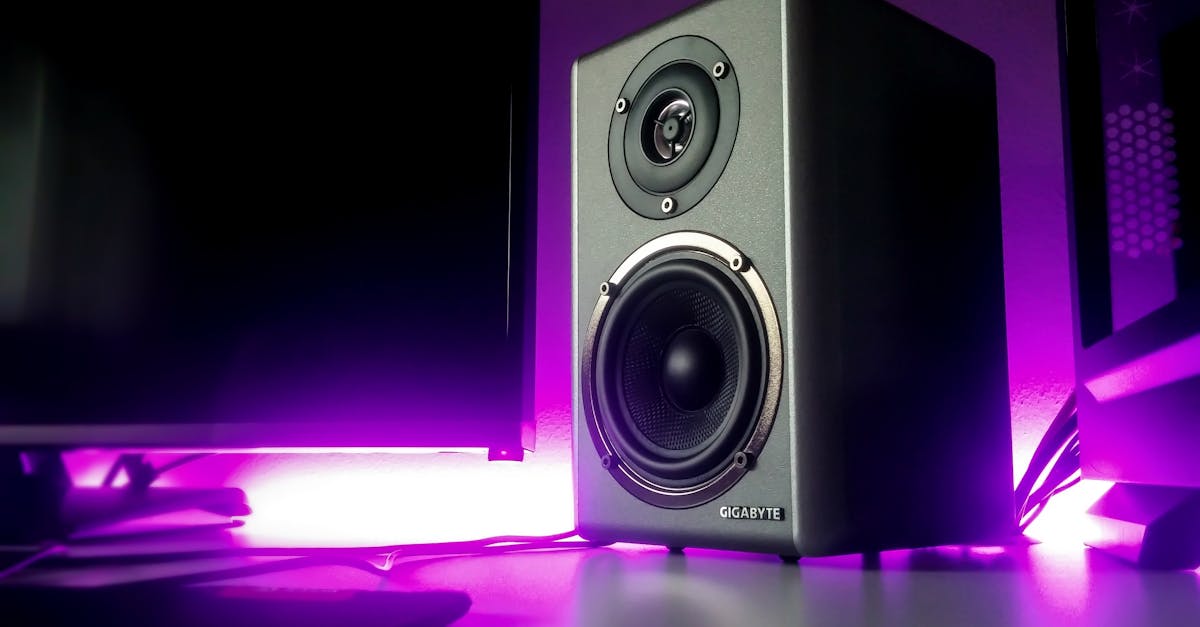
When considering speakers for a sound system, it is important to understand the different types available to choose the most suitable option for your needs. For smaller spaces or personal use, bookshelf speakers are a popular choice due to their compact size and versatile placement options. These speakers can deliver quality sound without taking up too much space, making them ideal for bedrooms or offices.
For larger rooms or home theaters, floor-standing speakers are recommended for their powerful and immersive sound quality. These speakers are designed to stand on the floor and typically consist of multiple drivers to produce a wide range of frequencies. Floor-standing speakers are perfect for creating a cinematic audio experience, transporting listeners into the heart of the action with deep bass and clear vocals.
Main Component #2
Amplifiers play a critical role in a sound system, serving as the powerhouse that boosts audio signals to drive speakers effectively. These components take the low-voltage audio signals from your source equipment and increase their strength to a level that can move the speaker cones back and forth, producing sound waves that reach your ears. Choosing the right amplifier is crucial to ensure the optimal performance and longevity of your entire sound system.
When selecting an amplifier, it is essential to consider the power output, impedance matching, and compatibility with your speakers. Matching amplifier power to speakers is crucial to prevent damaging either component. Using an amplifier that is too powerful for your speakers can result in blown drivers, while an underpowered amplifier may not provide sufficient volume levels or clarity. It is advisable to consult with an audio specialist or refer to the technical specifications of both your speakers and amplifier to determine the best match for your sound system.
Matching Amplifier Power to Speakers
When choosing an amplifier for your sound system, it is essential to match the amplifier power to the speakers you are using to ensure optimal performance. Amplifiers come with different power ratings, measured in watts, and it is crucial to select one that can drive your speakers effectively without overpowering or underpowering them.
An amplifier that is too powerful for your speakers can cause distortion and even damage the speakers due to excessive power being pushed through them. On the other hand, an amplifier that is underpowered may not be able to provide sufficient power to drive the speakers adequately, resulting in a low-quality sound output. Therefore, make sure to carefully match the power rating of the amplifier to the power handling capabilities of your speakers to achieve the best sound quality and ensure the longevity of your audio equipment.
FAQS
What are the 4 main components of a sound system?
The 4 main components of a sound system are speakers, amplifiers, sources, and sound processors.
What is the function of speakers in a sound system?
Speakers are responsible for converting electrical signals into sound waves that we can hear.
Why is it important to match amplifier power to speakers?
Matching amplifier power to speakers ensures that the system operates efficiently and prevents damage to the speakers.
What role do sources play in a sound system?
Sources provide the audio signal that the system amplifies and plays through the speakers.
How do sound processors enhance the quality of sound in a sound system?
Sound processors adjust and optimize the audio signal to improve the overall sound quality of the system.